
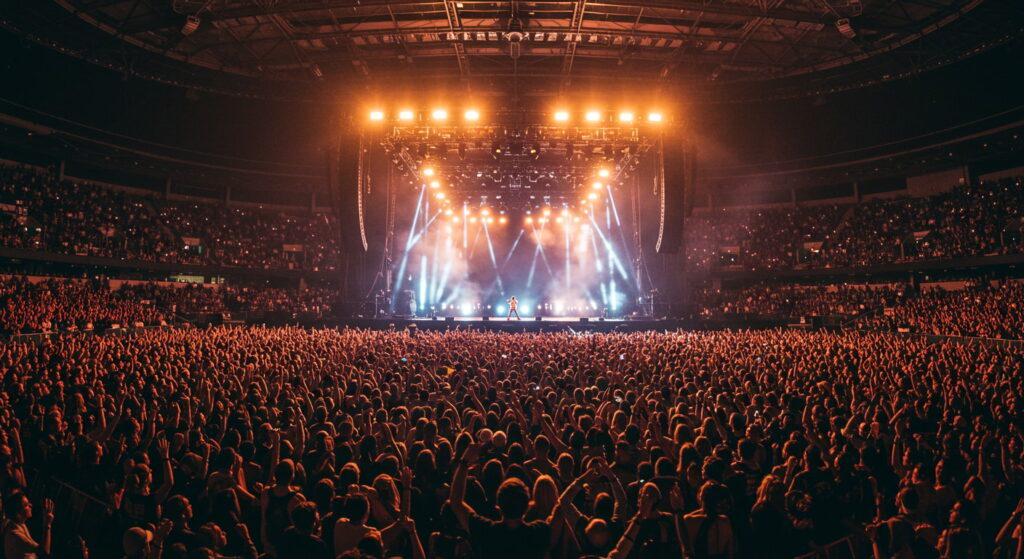
A Grateful Dead ticket once cost a single dollar, Elton John played shows for under $10 and even the Rolling Stones charged only $16 for a live performance. Music is supposed to bring people together; however, today’s skyrocketing prices expose a widening economic divide that pushes countless fans out of the crowd. This isn’t just an unfortunate trend; it’s a problem that needs to be solved. Live music should be accessible, not a privilege for the few.
Today, the top 100 tours have an average ticket price of $135.92, causing fans to face a new harsh reality, according to Pollstar, a music industry trade publication. This increase isn’t a matter of greed, but instead the result of an industry that has shifted from solely entertainment to business.
Artists used to make the bulk of their income through album sales and tours to promote their vinyls, tapes and CDs. As streaming apps like Spotify and Apple Music became popular, people stopped going to stores and buying records. Now, artists rely on tour revenue for money, so prices increase and tours become more frequent. That shift, combined with inflation, rising production costs and audiences who expect elaborate productions, has pushed ticket prices to historic highs.
Furthermore, dynamic pricing, used by companies like Ticketmaster, pushes prices higher in real time as demand increases. Fans logging in expecting an $150 seat can watch it double or even triple before they can even check out.
Also, if artists keep prices low, resellers would quickly purchase them and bump up the price. So, artists are forced to inflate their own prices to capture revenue that would otherwise go to resellers.
But these rising ticket prices come at a time when many Americans are already struggling financially. According to sofi.com, the median full-time worker earns just $61,984, meaning half the country brings home even less. For millions, inflation has turned every essential, like housing, groceries, gas and even the internet, into another rising bill.
This leaves nearly a third of lower-income households living paycheck to paycheck, according to cbsnews.com. People are struggling to cover necessities, and the idea of dropping several hundred dollars on a concert becomes a fantasy that will never become reality for a lot of people.
This growing gap between what concerts cost and what people can actually afford is changing who gets to participate in live music at all. Shows that were once shared experiences are becoming exclusive events reserved for those who can absorb the financial hit. When tickets consistently cost a week’s worth of work, entire communities are pushed out of the experience that was once central to American culture and life.
Live music once thrived on diversity, energy and a full range of audiences, but now loses that when only the most privileged can afford to attend.
If the industry truly believes that music brings people together, then it can’t continue to price so many fans out. People shouldn’t be forced to choose between paying bills and seeing their favorite artist live. Artists and ticket sellers must confront the system they have helped create.
Dynamic pricing and resale markups turn the joy given by live music into a luxury good. Concerts should not be this inaccessible. The more we support transparent pricing and demand policies that limit excessive reselling, the more pressure there is for change.
Live music should feel like a community that is open to all.