When you think of theater, Broadway is likely the first thing that comes to mind. But you don’t have to travel all the way to New York City to watch Broadway-level performances. Paper Mill Playhouse in Millburn has been delivering world-class theater since it opened in 1934. Today, the theater is also transforming what it means to experience live performance with their inclusive outreach and education programs.
When Paper Mill was first established, founders Antoinette Scudder and Frank Carrington started a theater school within the playhouse. Over the years, their vision has evolved into a wide range of educational opportunities, including year-round singing, acting and dancing classes, as well as summer camps and a summer conservatory for 10 to 18-year-olds.
Paper Mill Playhouse also honors New Jersey high schools with their own rendition of the Tony Awards called the Rising Star Awards. This statewide competition recognizes outstanding achievement in student performance and awards scholarships to winners.
Beyond its home stage, the playhouse offers many outreach programs to the surrounding community. They run performances in local elementary schools, senior citizen homes, assisted living communities and a local cerebral palsy center. According to Director of Education Paul McGinley, the aim of the outreaches is to host performances “in the community where young people wouldn’t necessarily be able to come to the theater.”
Like many who work in performing arts, McGinley loves being involved in live theater “because it’s where [people] gather to experience art together.” He believes it is important “to have human connection in that way.” These outreach efforts help make theater accessible to audiences who might not otherwise have the opportunity to attend a performance. Whether it is traveling to elementary schools to put on a show or modifying shows so neurodivergent children can enjoy them, Paper Mill goes above and beyond to ensure that theater is available for all.
These adapted performances have a powerful impact on its audiences. “People are able to witness stories on the stage that go beyond their lived experiences, and that makes them think about the world in a different way,” said McGinley.
Part of the accessibility comes from the pricing of the tickets and experiences. Within the outreaches Paper Mill does for students, the schools are able to purchase a large number of tickets at “steeply discounted rates,” according to McGinley.
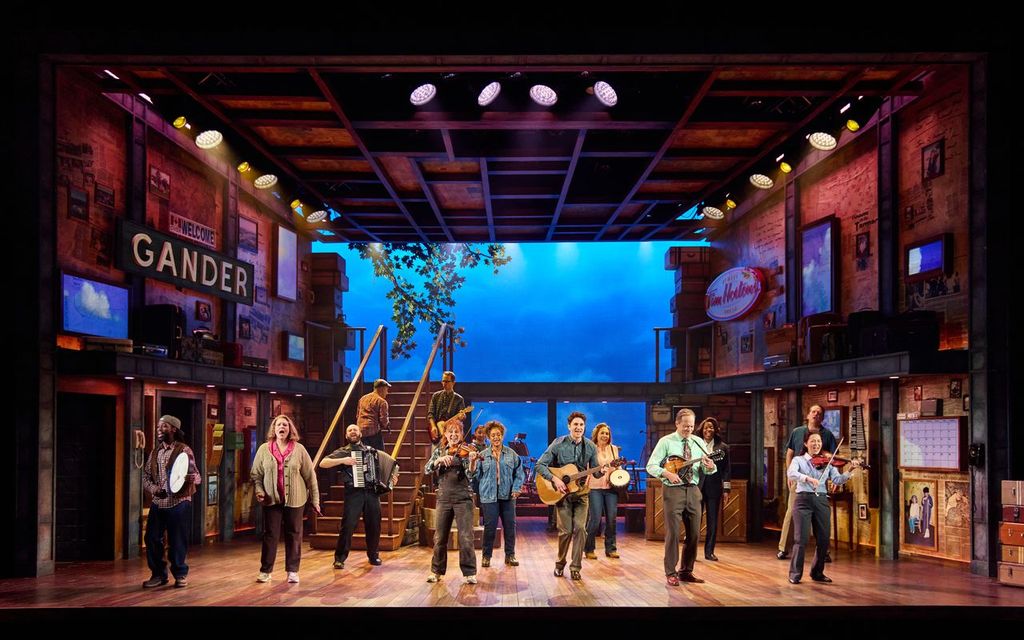
English Teacher Rebecca McGrath recently participated in this outreach program, bringing some of her juniors to see Come From Away. “When I researched what the show was about, I realized it really fit into our junior year curriculum. I wanted to give my students an opportunity to see a high-quality, low cost performance that related to what we were doing in class,” McGrath said. The response was overhwelmingly positive. “I don’t know if I’ve seen such a unanimous approval of a field trip.”
Live theater, McGinley argues, is important now more than ever, especially “in a world of screens and AI-generated actors.”
“Nothing can replace being in a shared space and hearing applause and laughter and the different reactions you get from a live [audience],” he explained.
McGinley hopes the community “will continue to support programs” like this so theaters can keep sharing their work beyond traditional audiences.
“[We want] to keep making the magic of live theater happen,” McGinley said.