The first sound heard on The Great Divide is not Noah Kahan’s voice. It is crickets.
They exist like memories: sudden, soft, unbidden. The album opens in the humid hush of August; the air is thick, the sky bright at 8 p.m. and something is coming to an end. Kahan has always leaned into the concept of nostalgia as something visceral the body remembers before the brain does. One can see old roads, porch lights left on, the last of the bugs dying out. The Great Divide has listeners return to those well-worn images, but this time the roads home are more complicated.
Released on April 24, the album arrived as both a continuation and evolution of the deeply-personal storytelling that defined the homespun lyricism of Stick Season. First announced alongside its title track on March 13, The Great Divide was re-released as a surprise extended edition, The Last of the Bugs. The four additional songs are missing pages slipped carefully back into a novel, inviting listeners to move through it in one sitting, tracing a decades-long emotional arc from beginning to end.
In its opening tracks, the record reveals itself as one built on conversations both remembered and imagined. Each track is a longing voice reaching across a canyon, toward someone just out of reach. The “divide” spans all aspects of life: who Kahan was, who he became and who he might have been if he’d stayed.
The throughline is the ache of abandonment that settles in the souls of those who leave and those left behind. Kahan does not shy away from shame or resentment. He lingers in it, crafting a collection of songs that read as unsent letters.
At the center of it all lies “The Great Divide,” Kahan’s all-encompassing title track. In an interview with The Hollywood Reporter, Kahan called it “the best entryway into the record from a storytelling and sonic perspective.” It’s easy to see why. It cradles the emotional weight of the album: The guitar moves with a restless energy, as though it also yearns to close the divide described in the music.
“Lighthouse” showcases vulnerability rare even to Kahan. It is one of the album’s most devastating moments: a slow, somber depiction of a loved one drifted just out of reach, too far to return. The lyrics and melody are gut-wrenchingly beautiful, leaving listeners with an inescapable sense of longing and nostalgia.
Other songs take on a style never before seen in Kahan’s works: a flipping of perspective, where the protagonist sings to the musician himself. In “Haircut” and “Dashboard,” he becomes the hometown observer, watching his own success from a scornful distance where admiration has soured into resentment. The emotional complexity fractures the singular voice of the album, inviting others to speak back.
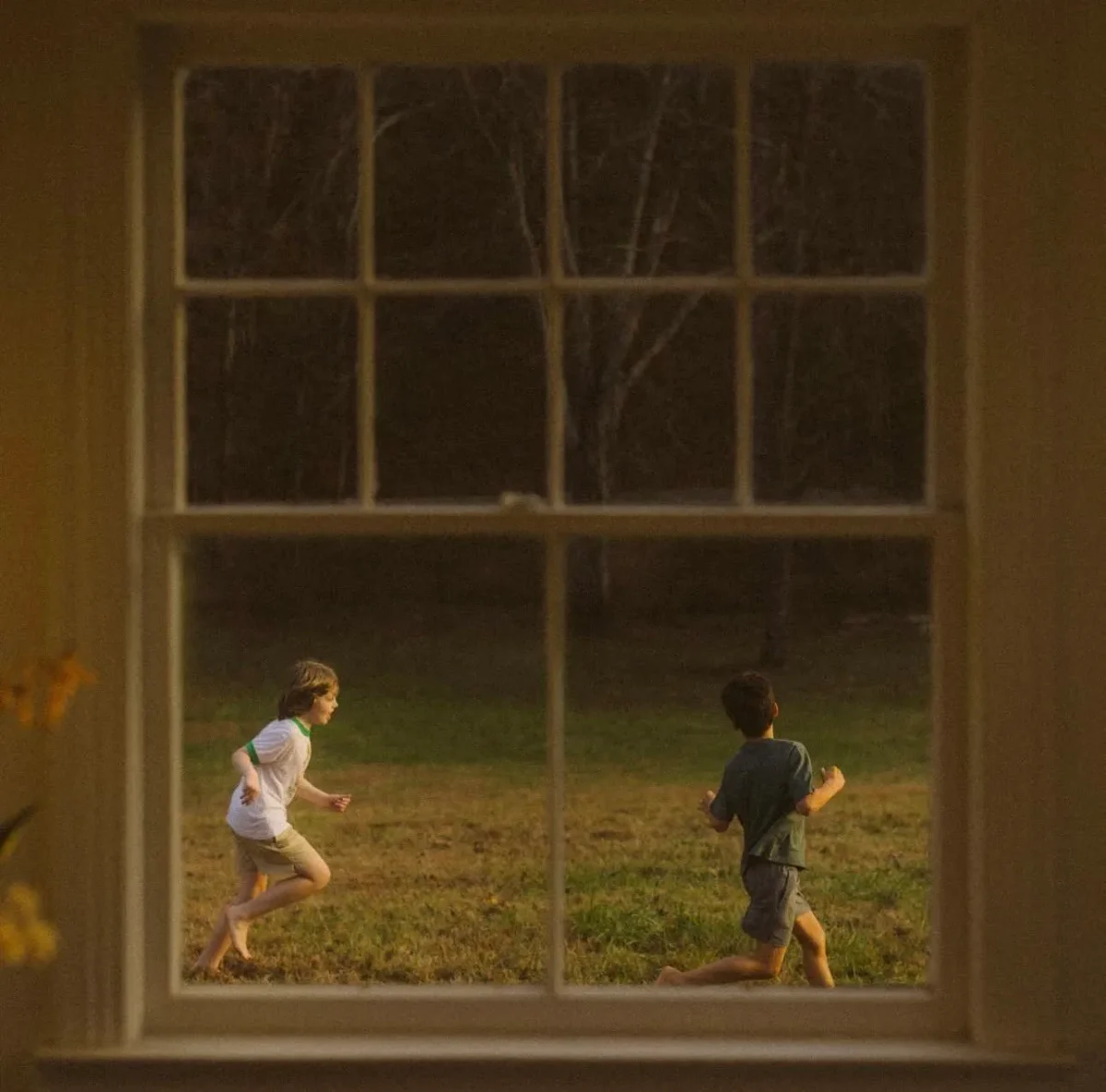
After this emotional unraveling, the album finds its way to “Dan,” a soothing, optimistic ode to long-cherished friendship. It is a capstone, perhaps the final image of the two young boys depicted frolicking on the album cover. The melodic fireside conversation recognizes that time and fame may change us, but neither can erase what came before.
The album’s grounding force is the bone-deep nostalgia one feels when listening. While Kahan has long chased the feeling, The Great Divide captures its disarming history. Nostalgia was once treated as an illness, a homesickness so severe Swiss soldiers during World War I claimed to hear the cowbells of their home calling to them. The crickets that open this record serve much the same purpose. They are Kahan’s cowbells: a sound carrying an entire landscape within. With a bereaving finality he captures the cruelty of loving home: hearing it call you back, knowing you can never return unchanged.